

What Is a Concussion?
A concussion is a type of traumatic brain injury caused by a bump, blow, or jolt to the head or body that causes the brain to move rapidly inside the skull. It can affect how a person thinks, feels, moves, and functions.
Concussions can happen during sports, recreational activities, falls, vehicle accidents, or everyday situations. Even an injury that appears minor should be taken seriously.
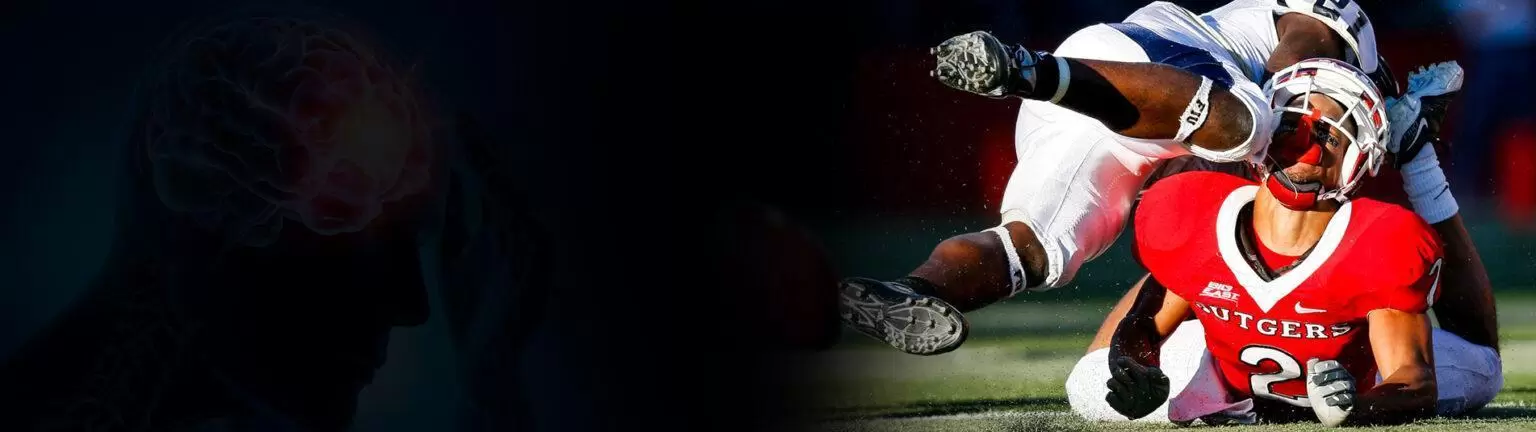
Concussion Symptoms
& Warning Signs
Symptoms may appear immediately or develop over the hours or days following an injury. They can affect physical, cognitive, emotional, and sleep-related functions.
Headache, dizziness, nausea, balance problems, blurred vision, and sensitivity to light or noise.
Confusion, difficulty concentrating, memory problems, and feeling mentally foggy or slowed down.
Irritability, anxiety, sadness, unusual mood changes, or feeling more emotional than usual.
Sleeping more or less than usual, difficulty falling asleep, or feeling unusually tired.
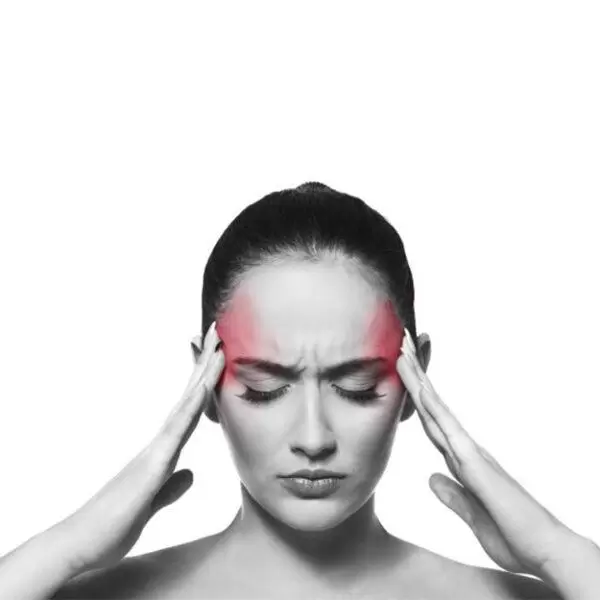
Seek medical evaluation after a suspected concussion.
When to Seek Emergency Medical Care
Call 911 or go to an emergency department immediately if a person experiences worsening headache, repeated vomiting, seizures, increasing confusion, slurred speech, weakness, unequal pupils, or difficulty waking up after a head injury.

Concussions &
Football and Other Sports
Contact sports such as football, hockey, soccer, and basketball can involve collisions, falls, or impacts that may cause a concussion. Athletes should understand the risks and know when to stop playing.
A suspected concussion should never be ignored or assessed only by how the athlete feels. Prompt evaluation by a qualified healthcare professional is important.
- Remove the athlete from play if a concussion is suspected.
- Do not allow a same-day return to sports.
- Arrange an appropriate medical evaluation.
- Follow professional guidance before returning to activity.
Reducing the Risk of Sports Concussions
Not every concussion can be prevented, but good safety habits can help reduce the risk of head injuries during sports and recreation.
Use Proper Safety Gear
Wear sport-appropriate, correctly fitted protective equipment and replace damaged gear.
Learn Safe Techniques
Follow coaching guidance and learn safe techniques for your particular sport.
Follow the Rules
Respect game rules designed to reduce dangerous contact and unnecessary impacts.
Never Play Through Symptoms
Report possible concussion symptoms and get evaluated before returning to play.
Understanding the Concussion Recovery Process
Every concussion is different. Recovery should be guided by a healthcare professional and adjusted according to the individual's symptoms, needs, and progress.
A gradual return to everyday activities may be appropriate as symptoms allow. Returning to sports requires a supervised, step-by-step progression and healthcare-provider approval.
Learn About Return-to-Sports Guidance ↗
Six Steps Toward Returning to Play
The CDC describes a gradual six-step return-to-sports progression. Each step typically takes at least 24 hours and should be supervised by a healthcare professional.
Regular Activities
Return to regular daily activities and receive medical approval to begin the progression.
Light Aerobic Activity
Begin light activity, such as walking or a stationary bike, as directed.
Moderate Activity
Gradually increase movement and exercise intensity under guidance.
Heavy Non-Contact
Progress to more intensive non-contact exercise and sport-specific drills.
Practice & Full Contact
Return to practice and full contact only when medically appropriate.
Competition
Return to competition after successful completion and medical clearance.
Personalized Care for Your Overall Well-Being
At Baker Chiropractic and Wellness, we believe that understanding your health concerns and making informed care decisions are important parts of your wellness journey.
If you have experienced a concussion, please seek assessment and management from a qualified medical professional. Chiropractic treatment is not an established treatment or cure for concussion or traumatic brain injury.
For other musculoskeletal concerns, our team can discuss whether chiropractic services may be appropriate for you, based on your individual circumstances and medical guidance.
Explore Our Office Locations →Your Health Deserves
Thoughtful Attention.
Have questions about our chiropractic services or want to learn more about our offices? Get in touch with our team.