

What Is a Hiatal Hernia?
A hiatal hernia occurs when the upper part of the stomach pushes through an opening in the diaphragm (the muscle that separates the chest from the abdomen) and moves into the chest cavity.
Some hiatal hernias do not cause noticeable symptoms. Others may be associated with heartburn, acid reflux, regurgitation, or difficulty swallowing.
The right approach depends on the type of hernia, symptoms, and overall health. A qualified healthcare professional can help determine the appropriate evaluation and care.

Hiatal Hernia Symptoms
Many people with a hiatal hernia have no symptoms. When symptoms occur, they may be related to acid reflux or other digestive concerns.
A burning feeling in the chest, often after eating.
Stomach acid or food coming back up into the throat or mouth.
Discomfort or difficulty when swallowing food or liquids.
Bloating, nausea, chest discomfort, or feeling full quickly.
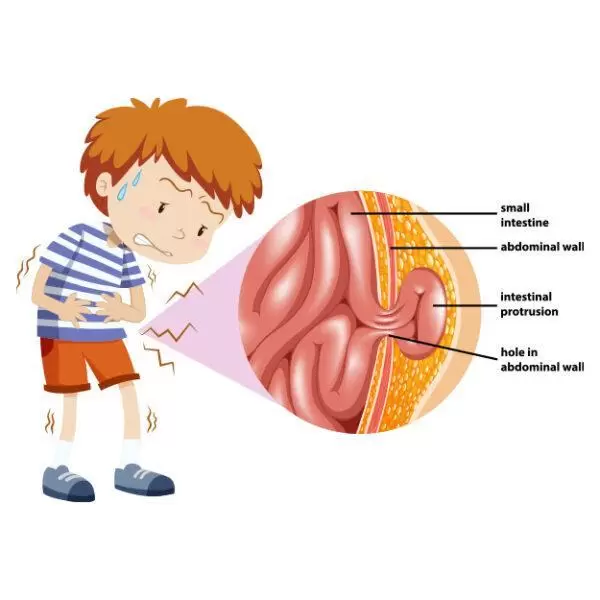
Persistent symptoms deserve medical attention.
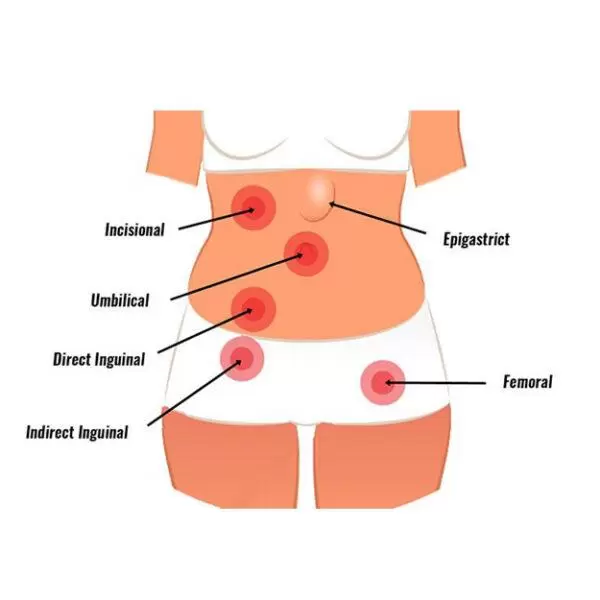
Types of Hiatal Hernias
Hiatal hernias are generally classified into four types. The two main categories are sliding and paraesophageal hernias.
Sliding Hiatal Hernia
The most common type. The junction between the esophagus and stomach, along with part of the stomach, moves upward through the diaphragm.
Paraesophageal Hiatal Hernia
Part of the stomach moves through the diaphragm alongside the esophagus. Some forms may carry a higher risk of complications and require specialist evaluation.
Types III and IV are additional forms of paraesophageal hernia. Diagnosis and treatment planning should be handled by a medical specialist.
Causes & Risk Factors
The exact cause of a hiatal hernia is not always known. Changes or weakness in the supporting tissues around the diaphragm may contribute. Certain factors may increase the likelihood of developing one.
Age-Related Changes
Changes in supporting tissues and muscles may occur as people get older.
Increased Abdominal Pressure
Repeated straining, persistent coughing, or heavy lifting may increase pressure.
Pregnancy
Changes in abdominal pressure during pregnancy may be a contributing factor.
Body Weight
Being overweight or having obesity is associated with an increased risk.
Understanding the Diaphragm & Digestive System
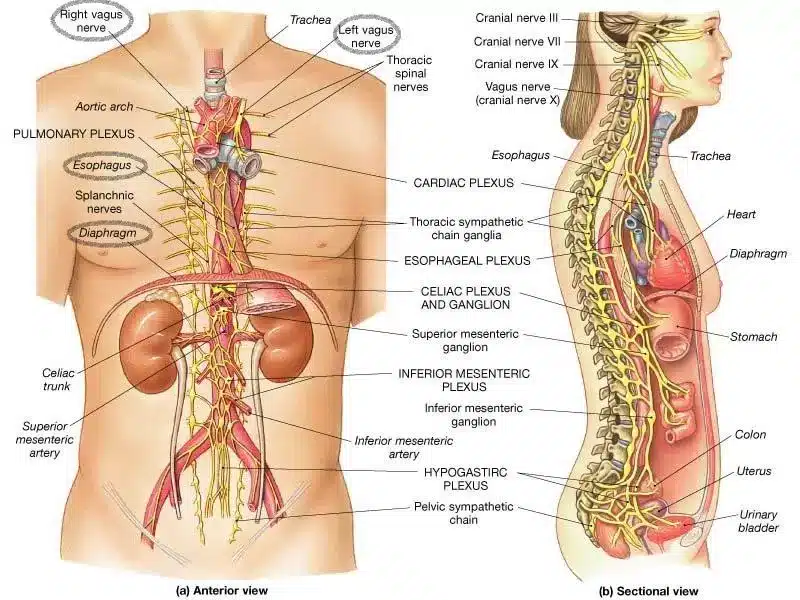
The diaphragm is a large muscle that helps separate the chest cavity from the abdomen and plays an important role in breathing. The esophagus passes through a small opening in this muscle before connecting to the stomach.
When part of the stomach moves upward through this opening, a hiatal hernia is present. This change can affect the normal barrier that helps limit stomach contents from moving back into the esophagus.
How Hiatal Hernias May Affect Daily Life
Symptoms associated with a hiatal hernia may affect eating habits, comfort after meals, sleep, and daily routines. Acid reflux can sometimes become more noticeable when lying down or bending over.
The impact varies from person to person. Some individuals experience little or no discomfort, while others may need medical treatment to manage persistent symptoms.
A healthcare professional can assess whether symptoms are related to a hiatal hernia, reflux, or another digestive condition.
Our Approach to Hiatal Hernias
Understanding your symptoms and receiving appropriate medical guidance are important steps toward making informed health decisions.
Understand Your Symptoms
Keep track of symptoms, when they occur, and whether certain activities or meals make them worse.
Seek Medical Evaluation
Consult a qualified healthcare professional for diagnosis and an appropriate treatment plan.
Follow Recommended Care
Follow medical advice about medications, lifestyle adjustments, monitoring, or specialist referral.
Lifestyle Habits That May Help Manage Reflux Symptoms
For people experiencing reflux symptoms, certain everyday adjustments may help improve comfort. These changes do not repair a hiatal hernia, and individual recommendations may vary.
- Try smaller, more frequent meals if large meals trigger symptoms.
- Avoid lying down for around three hours after eating.
- Identify foods and drinks that make your symptoms worse.
- Discuss weight management with your healthcare professional if appropriate.
- Avoid smoking and follow your clinician's advice about alcohol.
- Do not stop prescribed medications without medical guidance.
Medical Evaluation & Treatment Options
Treatment depends on the type of hiatal hernia, severity of symptoms, and whether complications are present. Some people do not require treatment, while others may benefit from medication or specialist care.
Your clinician may recommend tests such as an upper endoscopy or imaging study.
Medication may be recommended to manage acid reflux or related symptoms.
Surgery may be considered in selected cases, particularly when complications or significant symptoms occur.
 INDIVIDUAL PATIENT EXPERIENCE
Ethan's Story
Add the approved original testimonial text for Ethan Stanley here. Keep the patient's wording accurate and obtain permission before publishing their photograph or personal health story.
Terri's Story
Add the approved original Terri testimonial text here. You can preserve the complete story from your existing page, including the patient's experience and timeline, once it has been verified and approved for publication.
Patient experiences are personal and may differ. This story should not be interpreted as a typical outcome or as evidence that chiropractic care treats or repairs a hiatal hernia.
Do Not Ignore Severe or New Symptoms
Seek urgent medical attention for severe chest or upper abdominal pain, difficulty breathing, persistent vomiting, vomiting blood, black stools, or significant difficulty swallowing. Chest pain can have serious causes and should not automatically be attributed to a hiatal hernia.
Your Health Matters.
Make Informed Choices.
Have questions about our chiropractic services? Contact our team to learn more about our clinics and available services.